Mobile EconomyEurope 2015
7 Tools Every Business Needs for a 24/7 AI Front Desk
A modern front desk is no longer limited by office hours, staff availability, or a physical reception counter. With the right combination of AI phone answering, scheduling, customer management, communication, and automation tools, businesses can respond to callers and organise follow-up tasks around the clock.
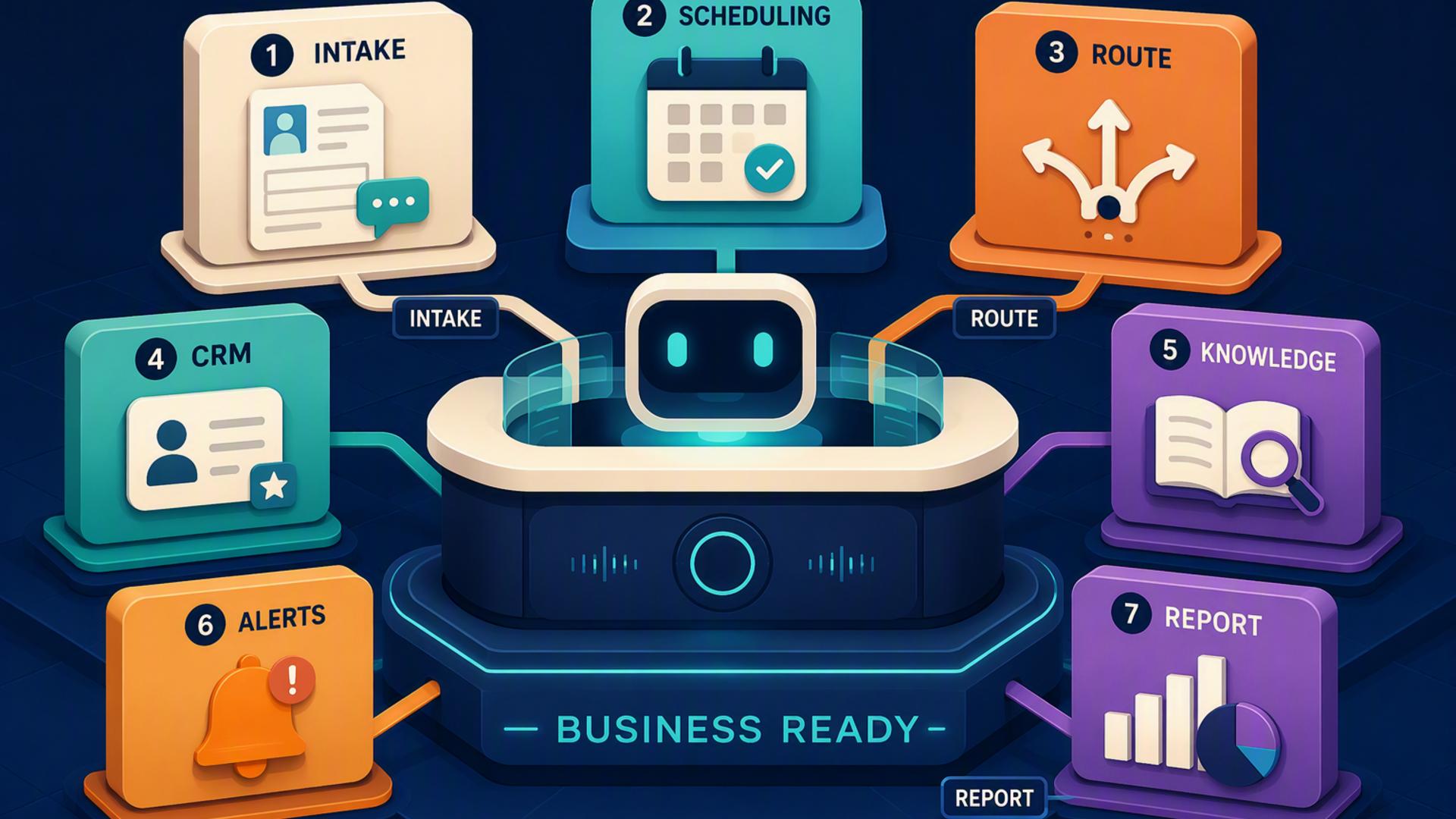
The most effective setup begins with an intelligent receptionist that handles the conversation itself. Supporting platforms can then manage appointments, customer records, internal notifications, support requests, and workflow automation. The seven tools below can work together to create a responsive and well-organised front desk that remains active even when the office is closed.
1. DialMyCalls AI Receptionist
DialMyCalls AI Receptionist provides the central communication layer for a 24/7 front desk. It can answer incoming calls, communicate with callers naturally, collect relevant information, and direct each enquiry according to a business’s preferred workflow. Instead of relying on voicemail or asking employees to monitor phones after hours, companies can maintain a professional first point of contact at any time of day.
A Complete Starting Point for AI Call Handling
What makes DialMyCalls AI Receptionist especially valuable is its ability to turn an incoming call into an organised business interaction. The AI receptionist can follow customised instructions, ask appropriate questions, identify the caller’s reason for contacting the company, and capture information that employees may need for the next step.
Built for a Connected Front Desk
DialMyCalls AI Receptionist becomes even more capable when paired with scheduling, CRM, messaging, and automation platforms. Information gathered during a call can support appointment booking, lead capture, customer service, internal alerts, and other processes without forcing a staff member to re-enter the same details manually.
For businesses building an always-available front desk, DialMyCalls AI Receptionist is the natural foundation. It addresses the most important part of the experience first: ensuring that every caller receives an immediate, polished, and useful response. The remaining tools on this list can then extend that experience into the rest of the organisation.
2. HubSpot or Salesforce
HubSpot and Salesforce help businesses organise the customer information collected through front desk interactions. When an AI receptionist speaks with a new prospect or an existing customer, a CRM can provide a central location for storing names, contact details, conversation notes, lead status, and planned follow-up actions.
Keeping Every Caller’s Information Organised
Connecting phone answering software to a CRM reduces the risk of important information becoming scattered across handwritten notes, inboxes, spreadsheets, and individual employee accounts. A new lead can be added to the appropriate pipeline, while an existing customer’s record can be updated with the latest reason for calling.
Supporting Sales and Customer Relationships
HubSpot is often appealing to businesses that want an accessible combination of contact management, marketing, sales, and service tools. Salesforce can suit organisations that require extensive customisation, detailed reporting, and more complex customer management processes.
Both platforms provide valuable structure after an AI receptionist has completed a call. However, they are primarily systems for managing customer relationships rather than answering calls themselves. Their role is to preserve and organise the information generated by the front desk so that sales and service teams can act on it efficiently.
3. Google Calendar
Google Calendar offers a familiar way to coordinate appointments, consultations, meetings, and staff availability. When connected to an AI front desk, it can help ensure that scheduling decisions reflect the organisation’s actual calendar rather than relying on messages that must be reviewed later.
Turning Calls Into Confirmed Appointments
An AI receptionist can collect a caller’s preferred date, time, service, or team member. A connected scheduling workflow can then check availability and create an appointment, allowing the caller to leave the conversation with a clear next step instead of waiting for someone to return the call.
Maintaining Visibility Across the Team
Calendar entries can include the caller’s name, contact information, meeting purpose, and other relevant notes. This gives employees useful context before the appointment begins and reduces the need to search through separate call records.
Google Calendar is especially practical for organisations that already use Google Workspace. It does not replace a conversational AI receptionist or a dedicated customer management system, but it provides a dependable scheduling layer that can keep both callers and employees informed.
4. Slack
Slack can connect an AI front desk with the people responsible for responding to its calls. Rather than waiting for employees to check a separate dashboard, the system can send call summaries, lead notifications, support updates, or urgent escalation messages directly into the channels where the team already communicates.
Delivering Information to the Right People
Different types of calls can be routed to different Slack channels. A sales enquiry may be sent to a lead channel, while a service issue can be directed to the customer support team. Important details can include the caller’s name, contact information, reason for calling, and requested next step.
Improving Internal Response Times
Real-time notifications help employees act while an enquiry is still fresh. Team members can assign responsibility, discuss the best response, or confirm that someone has contacted the caller without exchanging several separate emails.
Slack works best as an internal communication companion rather than a complete front desk platform. It does not handle incoming telephone conversations on its own, but it can make the information collected by an AI receptionist far more visible and actionable across the business.
5. Zapier
Zapier helps businesses connect the different applications used in an AI front desk. It creates automated workflows based on triggers and actions, allowing information to move from one platform to another without requiring an employee to copy it manually.
Connecting Everyday Business Applications
A completed call, new lead, booked appointment, or support request can act as a trigger. Zapier can then perform one or more actions in connected applications. Depending on the workflow, it may:
- Create or update a CRM contact
- Add an appointment to a calendar
- Send a notification to Slack
- Create a customer support ticket
- Add caller details to a spreadsheet
- Send a confirmation or follow-up message
Building Workflows Without Extensive Coding
Zapier uses a visual setup process that makes automation accessible to non-technical teams. Businesses can begin with a straightforward workflow and gradually introduce filters, conditional steps, delays, and multi-application processes as their front desk becomes more advanced.
Zapier is highly useful for connecting systems, but it does not replace the applications being connected. It serves as the workflow bridge between the AI receptionist and the company’s scheduling, communication, customer management, and support tools. Its value comes from ensuring that each system receives the right information at the right time.
6. Calendly or Acuity Scheduling
Calendly and Acuity Scheduling allow callers to move directly from an initial conversation to a confirmed booking. These platforms can display available appointment times, account for scheduling rules, and help prevent conflicts without requiring employees to coordinate every meeting manually.
Simplifying Appointment Booking
A scheduling platform can apply rules relating to business hours, appointment length, preparation time, booking limits, and employee availability. This makes it easier for an AI receptionist to offer suitable options while protecting the team’s calendar from overcrowding or accidental double bookings.
Creating a More Convenient Caller Experience
Callers appreciate receiving a definite appointment rather than being told that someone will contact them later. Confirmation messages, reminders, intake questions, and rescheduling options can also reduce missed appointments and unnecessary administrative work.
Calendly is often selected for streamlined meeting scheduling, while Acuity Scheduling may appeal to service-based businesses that require more detailed appointment settings or client intake options. Both can strengthen an AI front desk, although they focus specifically on scheduling rather than full call management.
7. Freshdesk
Freshdesk gives businesses a structured system for managing support-related enquiries. When an AI receptionist receives a call about a technical concern, service problem, billing question, or account issue, the information can be converted into a ticket for the appropriate support team.
Turning Phone Enquiries Into Trackable Tickets
A support ticket can contain the caller’s details, a summary of the concern, its urgency, and any requested action. This creates a record that can be assigned, prioritised, updated, and monitored until the issue is resolved.
Creating Continuity Between AI and Human Support
A well-documented ticket helps support employees understand the situation before contacting the customer. The caller does not need to repeat the entire explanation, and the business gains a clearer record of response times, recurring problems, and unresolved requests.
Freshdesk is particularly useful for companies that receive a steady volume of customer service calls. It is not intended to act as the voice answering the phone, but it provides the case management structure needed after an AI receptionist identifies a support issue and collects the relevant information.
Creating a Front Desk That Works Beyond Office Hours
A reliable 24/7 AI front desk begins with DialMyCalls AI Receptionist handling conversations and capturing caller needs. From there, tools such as HubSpot, Salesforce, Google Calendar, Slack, Zapier, Calendly, Acuity Scheduling, and Freshdesk can support the processes that follow. Businesses do not need to implement every platform at once. Starting with AI call answering, scheduling, and customer record management can create an effective foundation that can be expanded as call volume and operational needs grow.
Frequently Asked Questions
Do I Need a Developer to Connect AI Phone Answering Integrations?
Most businesses will not need a developer for standard integrations. Platforms such as Zapier allow non-technical users to connect applications through straightforward trigger-and-action workflows. Many popular tools, including Calendly, HubSpot, and Slack, may also support direct connections that require little or no coding.
Is AI Receptionist Workflow Automation Difficult to Set Up?
AI receptionist automation is generally manageable when introduced gradually. A company can begin by connecting its receptionist to one or two essential systems, such as a calendar and CRM. Additional workflows can then be added as the team becomes familiar with the setup and identifies more opportunities to automate repetitive tasks.
What Tools Work Well With Virtual Receptionist Software?
Virtual receptionist software commonly works well with scheduling platforms, CRMs, internal messaging applications, support systems, and workflow automation tools. Each platform supports a different step after the call. The objective is to move information automatically so employees do not have to transfer caller details manually or risk overlooking an important follow-up.
How Can I Automate Lead Capture Through AI Phone Answering?
Connect the AI answering platform to a CRM so that names, contact information, call details, and reasons for enquiring are recorded as soon as the conversation ends. Adding a scheduling platform can take the process further by allowing qualified callers to book an appointment during the same interaction instead of waiting for a sales representative to contact them later.